

You've successfully launched your subscription-based product on Shopify, and orders are rolling in. That's fantastic! But the journey doesn't end with the initial sale. For a subscription business to truly thrive, your customers need to feel empowered, not locked in. This guide is all about giving them that power – specifically, how they can effortlessly manage their own subscriptions on your Shopify store. Think of it as handing them the steering wheel; they'll appreciate the control, and you'll reap the rewards.
The power in their hands: why customer subscription management matters
Imagine subscribing to a service where every single change, from updating your credit card to skipping a delivery, requires a phone call or an email to support. Frustrating, right? This is precisely why robust customer subscription management isn't just a nice-to-have; it's a non-negotiable.
When customers can manage their subscriptions independently, it transforms their experience. They feel respected, trusted, and in control of their own purchases. This autonomy builds loyalty and reduces friction, turning potential headaches into smooth, self-service solutions. It's about shifting the burden from your support team to a user-friendly interface, ultimately making your customers happier and your operations more efficient.
Unlocking independence: the customer's subscription portal
The heart of customer subscription management on Shopify is the dedicated customer portal. Think of this as their personal command center, a digital space where all their subscription details reside and can be tweaked with ease. It's their one-stop shop for everything related to their recurring orders.
Accessing the portal: a seamless entry point
Getting to this portal should be as simple as possible. Typically, after a customer makes their first subscription purchase, they'll receive an email with a magic link or instructions on how to create an account and access their subscription settings. This link often leads directly to a secure section of your Shopify store. For subsequent visits, they'll simply log into their customer account on your website, and there, front and center, should be an option like "Manage Subscriptions" or "My Subscriptions." It needs to be intuitive, like finding the settings icon on your smartphone – no treasure hunt required.
A dashboard of control: overview of active subscriptions
Once inside the portal, your customer should be greeted with a clear, concise dashboard. This isn't just a list; it's an overview. They should immediately see all their active subscriptions, perhaps with key details like the product name, the next charge date, and the current frequency. It’s like glancing at the dashboard of your car and instantly seeing your speed, fuel, and warning lights – all the critical information at a glance, allowing them to quickly identify which subscription they want to interact with.
Key actions your customers can take
This is where the rubber meets the road. What specific levers can your customers pull to customize their subscription experience? Let's dive into the essential functions.
Updating payment information: keeping things flowing
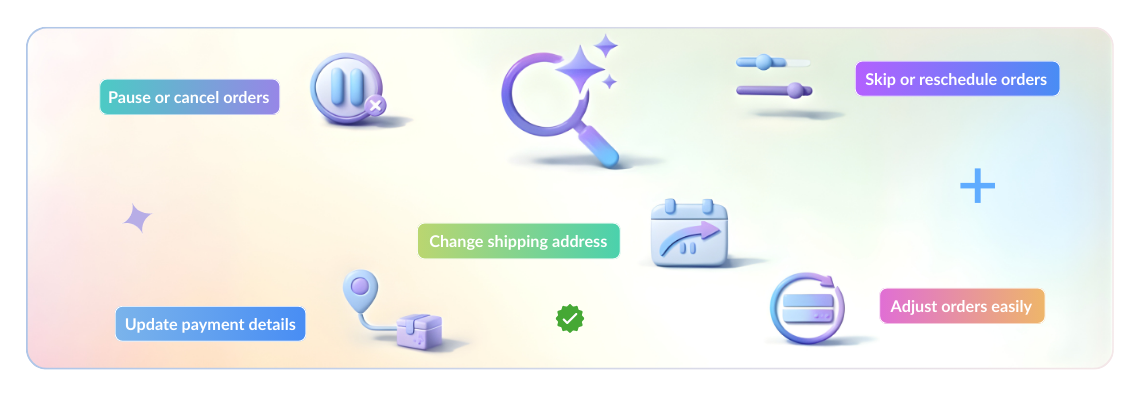
One of the most common reasons subscriptions fail is expired or declined payment methods. Your customer portal needs a straightforward way for customers to update their credit card details. This isn't just about avoiding churn; it's about making their life easier. When they get a new card, they shouldn't have to jump through hoops to ensure their next delivery arrives. A simple "Update Payment Method" button, followed by a secure form, is all it takes.
Changing shipping addresses: life happens
People move, they travel, or they simply want their next order sent to a different location. Allowing customers to easily change their shipping address directly within the portal is crucial. Imagine the frustration of an order arriving at an old address because updating it was too complex. This simple feature prevents logistical nightmares for both you and your customer.
Adjusting order frequencies and quantities: tailoring to their needs
This is where true personalization shines. Perhaps a customer realizes they're going through your coffee subscription faster than anticipated, or maybe they need fewer dog treats this month. The ability to adjust the delivery frequency (e.g., from every 30 days to every 15 days) or the quantity of items in their next order empowers them to make the subscription truly fit their consumption patterns. It’s like having a personal assistant who adjusts your recurring grocery order based on your weekly needs.
Skipping or rescheduling deliveries: flexibility is key
Life is unpredictable. Vacations, an unexpected surplus, or simply needing a break. The option to skip an upcoming delivery or reschedule it to a later date is a massive benefit. This flexibility dramatically reduces cancellations. Instead of feeling trapped, customers feel understood. It's the difference between canceling your gym membership because you're traveling for a month, versus simply pausing it until you return.
Pausing or cancelling subscriptions: the ultimate control
While you never want a customer to leave, making it difficult to cancel is a surefire way to breed resentment and prevent them from returning. A clear, easily accessible "Pause" or "Cancel Subscription" option is vital. Pausing offers a temporary break, often preventing outright churn, while cancellation provides a respectful exit. Even if they leave, a positive final interaction leaves the door open for their return. Remember, a customer who cancels easily might recommend you to a friend or even resubscribe later.
The role of communication: keeping customers informed
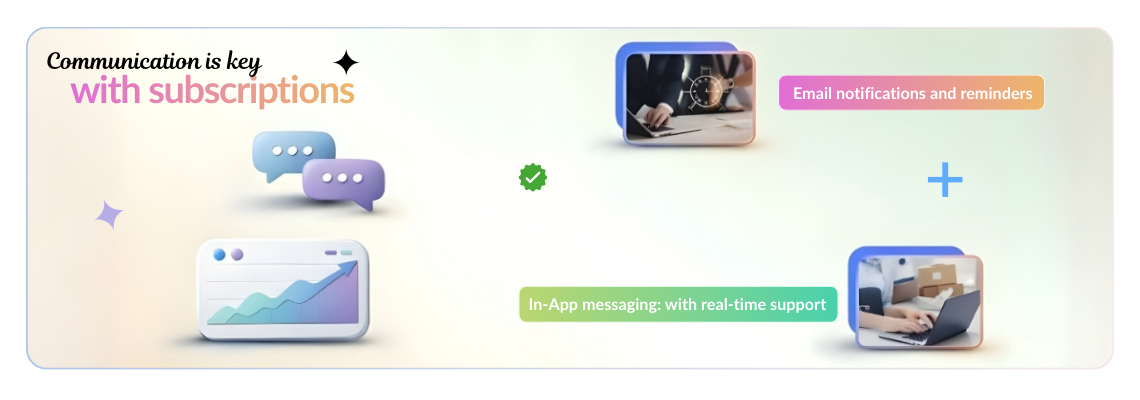
Even with a perfect portal, communication is the glue that holds the subscription experience together. Proactive communication builds trust and keeps customers in the loop.
Email notifications: timely updates and reminders
Automated emails are your silent customer service agents. These include notifications for upcoming charges, successful order processing, failed payments, and confirmations for changes made in the portal. A "Your next order is coming soon!" email with a link to manage their subscription is a powerful reminder and a call to action if they need to make adjustments. Think of it as a friendly nudge, not an intrusive alert.
In-App messaging: real-time support and information
While not strictly "in-app" for Shopify, integrating live chat or a help widget directly within the customer portal offers immediate support. If a customer encounters an issue or has a question while managing their subscription, providing real-time assistance prevents frustration from escalating. It's like having a concierge available right when you need them.
Empowering loyalty: the benefits of a robust customer experience
Investing in a seamless customer subscription management experience isn't just about ticking boxes; it's about building a foundation for long-term success.
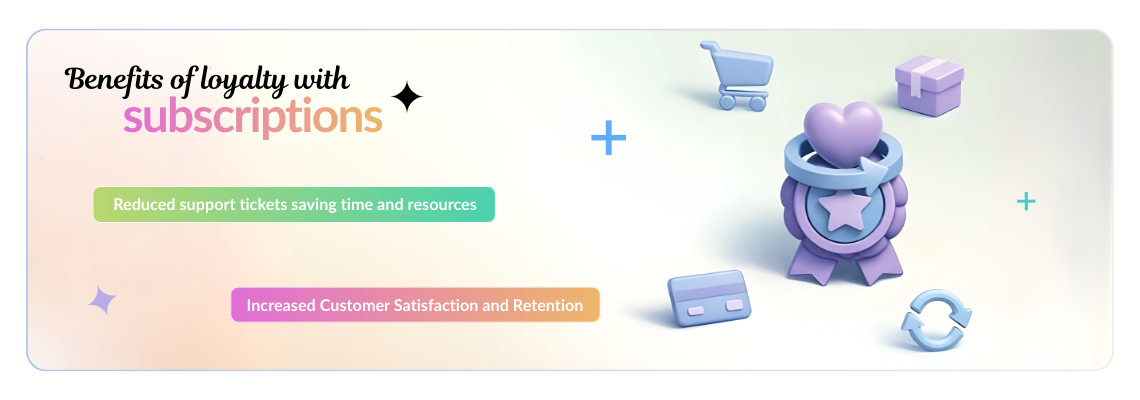
Reduced support tickets: saving time and resources
When customers can help themselves, they don't need to contact you. Every self-service action taken by a customer is a support ticket prevented. This frees up your customer service team to handle more complex inquiries, leading to a more efficient and cost-effective operation. Imagine slashing your daily support volume by 30% simply by empowering your customers.
Increased Customer Satisfaction and Retention: The Holy Grail
Ultimately, a flexible, transparent, and easy-to-manage subscription experience leads to happier customers. Happy customers are loyal customers. They stick around longer, they recommend you to others, and they become advocates for your brand. By putting the power in their hands, you're not just selling a product; you're building a relationship, and that relationship is the cornerstone of sustainable growth for any subscription business. It’s the difference between a fleeting transaction and a lasting partnership.