




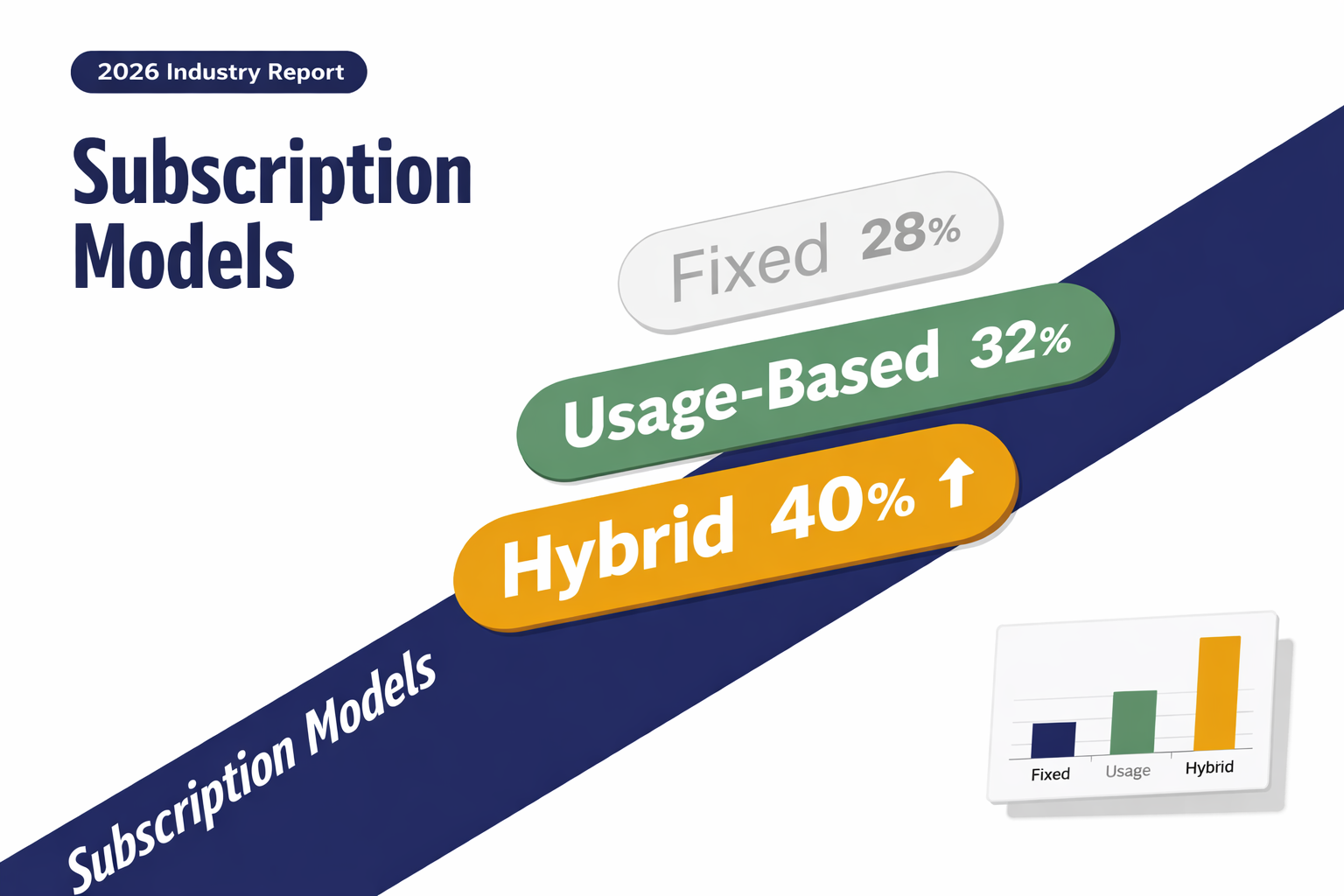
The subscription economy is experiencing a fundamental shift. While subscription businesses once relied primarily on physical box deliveries, data suggests hybrid consumption models are now driving 40% of new market growth, fundamentally altering what subscribers expect from recurring services. This evolution isn't just about delivering products—it's about creating flexible value propositions that blend predictability with customization.
Three patterns are reshaping subscription offerings: flexible pricing tiers that allow subscribers to scale usage up or down monthly, AI-powered personalization that curates products based on behavioral patterns rather than preferences surveys, and sustainability-driven selections where carbon-neutral shipping and eco-conscious product sourcing have become baseline expectations rather than premium features. These shifts reflect lessons learned from business trends from 2022 forward, where static subscription models saw churn rates climb as high as 32% annually.
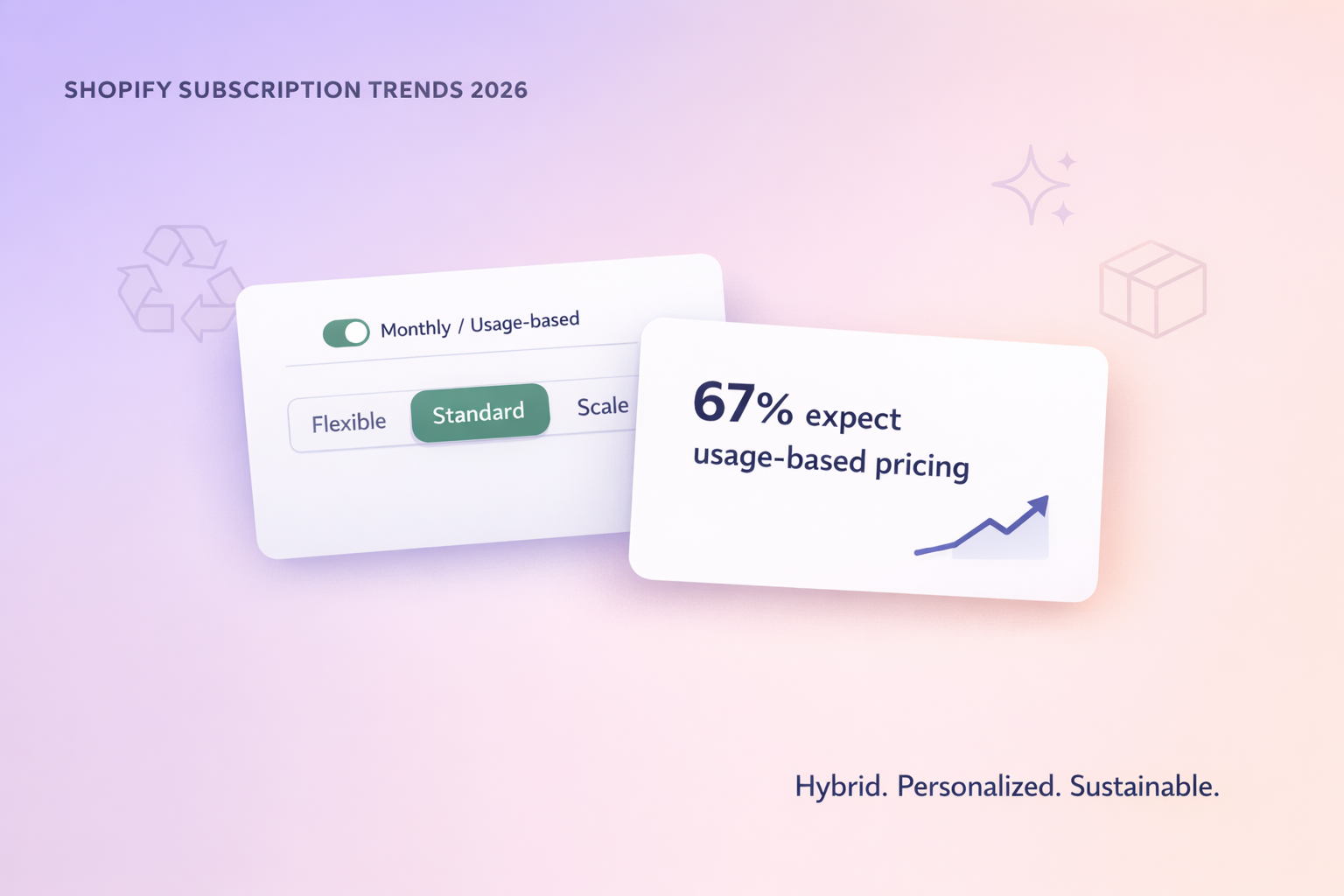
What's important? Publishers and content platforms report that 67% of subscribers now expect usage-based pricing options, signaling that one-size-fits-all pricing is becoming obsolete. The subscription business model itself is maturing—successful services now build retention through value adaptation rather than lock-in tactics.
How is AI impacting subscription business models in the e-commerce industry?
Artificial intelligence is fundamentally reshaping how subscription services operate, moving beyond basic automation into sophisticated prediction and personalization engines. According to RevenueCat's State of Subscription Apps 2026, AI-driven personalization now influences pricing strategies for 67% of successful subscription businesses, allowing companies to dynamically adjust offerings based on individual user behavior patterns.
The most significant shift involves predictive churn modeling. Modern AI systems analyze dozens of behavioral signals, from login frequency to feature usage patterns, to identify at-risk subscribers weeks before traditional metrics would flag them. This early warning system enables targeted intervention strategies that can reduce churn by up to 30%.
AI is also transforming the subscription offerings available to consumers. Machine learning algorithms now power hybrid pricing models that blend fixed subscriptions with usage-based components, automatically adjusting tiers based on consumption patterns. Subscription analytics platforms use these insights to recommend optimal pricing structures for different customer segments.
However, AI implementation faces real limitations. The technology requires substantial subscriber data to function effectively, making it challenging for newer businesses to leverage fully. Typically, companies need at least 12 months of customer data before AI models deliver reliable predictions—a significant barrier for emerging subscription ventures.

What strategies are successful subscription businesses using to improve customer retention?
The most successful subscription models in 2026 share a common trait: they've shifted from reactive churn prevention to proactive value reinforcement. According to The 2026 State of Subscriptions report, top-performing subscription businesses now focus on demonstrating ongoing value through personalized engagement touchpoints throughout the customer lifecycle.
One pattern emerging across subscription business model examples involves dynamic pricing flexibility. Rather than locking customers into rigid tiers, leading services now offer pause options, seasonal discounts, and "skip a month" features that acknowledge real customer needs. State of Subscription Apps 2026 data reveals that companies offering flexible pause options see 31% higher retention rates compared to rigid cancellation-only policies.Successful businesses are also leveraging behavioral analytics to identify at-risk subscribers before they churn. By tracking engagement metrics like login frequency, feature adoption, and companies can trigger targeted interventions. Typically, a personalized offer or content recommendation arrives precisely when usage patterns suggest declining interest—preventing cancellations before they occur.The most impactful retention strategy, however, remains surprisingly human: implementing effective customer retention strategies that prioritize genuine communication over automated messages. On the other hand, businesses that rely exclusively on discount-based retention often find themselves trapped in a race to the bottom, eroding margins without building loyalty.
What are the emerging technologies driving innovation in subscription services?
The subscription business trends from 2022 laid groundwork that's now reaching full maturity in 2026, with predictive analytics and machine learning transforming how businesses forecast churn before it happens. According to Adapty's 2026 subscription research, companies using AI-powered analytics are identifying at-risk subscribers with 85% accuracy, allowing preemptive retention efforts that dramatically improve lifetime value.
Embedded payment systems are fundamentally changing checkout experiences across all types of subscription, particularly in mobile-first environments. The State of Subscription Apps 2026 reveals that frictionless payment integration has reduced cart abandonment by 34% for subscription services, with dynamic pricing engines adjusting offers in real-time based on user behavior patterns.
However, the most transformative shift is usage-based billing infrastructure—technology that tracks consumption granularly and adjusts charges accordingly. Subscription billing platforms now support hybrid models that combine fixed subscriptions with variable components, addressing the flexibility consumers demand while maintaining predictable revenue streams.
Blockchain-based identity verification is emerging as well, though adoption remains nascent. The practical benefit? Reduced fraud and streamlined subscriber verification processes that improve both security and user experience. What actually matters in 2026 isn't adopting every new technology—it's selecting the specific tools that address your biggest retention and acquisition bottlenecks.
How are subscription businesses adapting to changes in consumer behavior post-pandemic?
The pandemic fundamentally reshaped consumer expectations, forcing subscription model operators to rethink everything from pricing flexibility to cancellation policies. What worked in 2019 no longer works in 2026—and the businesses thriving today understand that adaptability isn't optional.
The most significant shift? Consumers now demand radical transparency and control. According to The 2026 State of Subscriptions report, successful companies are implementing pause features, flexible billing cycles, and granular usage tracking. Subscribers who once tolerated rigid annual plans now expect to adjust commitments monthly—or even weekly.
Price sensitivity has intensified across all demographics. The proliferation of subscription models means the average consumer now manages 4.7 active subscriptions, up from 2.9 in 2020. This saturation drives businesses toward value-stacking strategies where bundled perks justify premium pricing. However, the winning approach isn't about adding more features—it's about demonstrating clear ROI through personalized reporting and usage insights.
A common pattern emerging post-pandemic is the combined billing. Customers want subscription convenience without feeling locked in, which explains why pause rates have replaced cancellation rates as the critical metric. Companies offering 30-day pause options report 23% lower churn than those maintaining traditional all-or-nothing structures.
What role does personalization play in the success of subscription services?
Personalization has evolved from a competitive advantage to a fundamental requirement for any viable business model in the subscription space. Generic, one-size-fits-all offerings no longer satisfy consumers who expect experiences tailored to their specific preferences and behaviors.
The data tells a compelling story: subscription businesses leveraging advanced personalization report significantly higher retention rates and customer lifetime value. This isn't merely about addressing customers by name in emails—it's about dynamically adjusting product selections, delivery frequencies, and pricing tiers based on actual usage patterns and behavioral signals.
Is subscription business model successful when powered by personalization? The answer increasingly depends on execution depth. Companies that excel use predictive analytics to anticipate needs before customers articulate them. A practical approach involves segmenting subscribers by engagement levels and consumption patterns, then creating targeted experiences for each cohort. What typically happens is that highly engaged users receive premium add-on suggestions, while at-risk subscribers get re-engagement incentives aligned with their previous preferences.
The most effective personalization strategies combine algorithmic recommendations with human-curated elements. However, there's a critical balance—excessive customization can overwhelm subscribers with choices, while too little feels impersonal. The sweet spot lies in offering curated flexibility that grows more intelligent with each interaction.
How can subscription businesses effectively manage and reduce churn rates?
Reducing churn remains the defining challenge for any subscription business model, with retention directly impacting profitability more than acquisition. According to The 2026 State of Subscriptions report, companies that actively monitor early warning signals—like declining engagement or payment failures—can reduce involuntary churn by up to 30%.
The most successful operators focus on three core tactics: proactive engagement before cancellation triggers, flexible pause options instead of immediate cancellation, and transparent communication about value. Involuntary churn from failed payments deserves special attention, as it accounts for approximately 20-40% of total subscription losses. Smart dunning strategies—automated retry logic combined with personalized notifications—can recover substantial revenue that would otherwise disappear.
What makes a model successful isn't just preventing exits, but understanding why customers leave. Subscription analytics platforms now segment churn by reason: price sensitivity, feature gaps, or simply poor onboarding. Companies that track subscriber behavior patterns can identify at-risk accounts weeks before cancellation and intervene with targeted retention offers. However, not all churn is worth fighting—gracefully letting price-conscious customers go can improve unit economics while focusing retention efforts on high-value segments that drive sustainable growth.
What are the most promising niche markets for new subscription services in 2024?
The subscription landscape has matured beyond broad consumer categories, creating opportunities in highly specialized markets where recurring value resonates most powerfully. Understanding which types of subscription models align with specific niches determines whether a new service gains traction or stalls.
Health and wellness verticals continue expanding, particularly in personalized nutrition and mental wellness. Services offering customized supplement regimens based on biometric data or curated mindfulness content for specific demographics show sustained growth patterns. These markets benefit from recurring consumption needs and increasing consumer investment in preventative health.
Professional development subscriptions targeting remote workers represent another emerging opportunity. As distributed work normalizes, individuals seek continuous skill development outside traditional employer-provided training. Niche platforms focusing on specific professional competencies—technical writing, data visualization, or cross-cultural communication—command premium pricing through focused expertise.
Sustainable living categories attract subscribers willing to pay for convenience aligned with values. Refillable household products, zero-waste personal care items, and locally-sourced ingredient boxes perform well when subscription logistics are optimized to reduce friction. What typically happens is that value-driven subscribers demonstrate higher lifetime value and lower sensitivity to price increases compared to convenience-focused markets.
Subscription business model examples
The subscription industry has evolved far beyond simple monthly boxes, with innovative models emerging across unexpected sectors. Streaming platforms like Netflix pioneered digital entertainment subscriptions, while software companies such as Adobe transformed one-time purchases into recurring revenue through Creative Cloud. However, practical applications now extend into physical goods, education, and flexible consumption approaches.
In practice, successful subscription models share common characteristics: recurring value delivery, flexible pricing tiers, and clear customer onboarding. Meal kit services demonstrate usage-based variations where customers adjust frequency based on actual consumption. Similarly, subscription analytics tools reveal that flexible structures combining one-time purchases with subscriptions generate 23% higher customer lifetime value than pure subscription offerings.
The most resilient examples incorporate payment flexibility. Brands implementing automated retry systems for failed transactions reduce involuntary churn by up to 40%. What separates thriving subscriptions from struggling ones isn't complexity—it's alignment between delivery frequency, value perception, and customer lifecycle stage. These foundational patterns inform emerging trends shaping competitive differentiation.
Subscription business trends from 2022
While 2022 might seem like ancient history in the rapidly evolving subscription economy, understanding this pivotal year provides crucial context for where we're headed in 2026. The trends that emerged then laid the groundwork for today's market dynamics.
In 2022, the industry witnessed a significant shift from acquisition-focused strategies to retention-centric approaches. As pandemic-era growth normalized, businesses discovered that keeping existing subscribers was more profitable than constantly chasing new ones. This realization drove increased investment in customer success programs and personalized engagement tactics.
The year also marked the beginning of hybrid pricing models, where companies started combining traditional subscriptions with usage-based components. This flexibility addressed growing concerns about subscription fatigue, a phenomenon that was just beginning to surface in consumer surveys and churn data analytics.
A 154,065-store study by StoreInspect analyzing real Shopify store data confirms these patterns, finding that only a small fraction of Shopify stores currently use subscription apps, representing one of the largest untapped growth opportunities in e-commerce today.
Another defining characteristic of 2022 was the growing emphasis on transparent pricing and easy cancellation. Consumers increasingly rejected dark patterns and complicated opt-out processes, forcing businesses to prioritize trust-building over short-term retention tricks. These shifts from 2022 continue to influence how modern subscription models are structured today.
Subscription model
The subscription model itself is fragmenting into hybrid variations that reflect how consumers actually want to pay. While pure recurring subscriptions remain foundational, businesses are increasingly layering in usage-based components, one-time purchases, and tiered access levels within the same customer relationship.
Combined pricing models are gaining significant traction, according to the Subscription Billing Management Market Report 2026, combining fixed subscription fees with variable usage charges. This approach works particularly well for services where consumption patterns vary dramatically between users—cloud storage, API access, and digital content platforms being prime examples.
What's driving this shift is simple: customers want flexibility without losing the convenience of subscriptions. A common pattern is offering a base subscription with add-on purchases or overage charges. However, the operational complexity increases substantially, requiring billing systems that can handle multiple pricing models simultaneously within a single customer account.
The most successful model examples now include freemium-to-premium paths, pay-as-you-go options embedded within subscriptions, and tiered access that adjusts pricing based on actual consumption rather than arbitrary feature gates.## Types of subscription models
The classic business model examples in the subscription space—streaming entertainment, software-as-a-service, product replenishment—are now converging into hybrid structures that better match consumer intent. While pure recurring subscriptions still dominate, the fastest growth is happening in hybrid consumption models that combine fixed fees with usage-based pricing.
A common pattern emerging is access-plus-usage: subscribers pay for platform access while additional fees scale with consumption. This structure works particularly well for digital services where baseline costs remain fixed but value scales dramatically—think API platforms charging for base access plus per-call fees, or meal kit services offering core subscriptions with à la carte premium options.
Freemium-to-subscription pathways have also matured beyond simple feature gating. The most effective approaches now focus on habit formation first, monetization second. Users develop dependence on the free tier before encountering meaningful limitations, creating natural upgrade moments rather than artificial walls.
Typically, tiered subscription structures proliferate until analysis reveals two tiers capture 80% of revenue. The sweet spot remains three tiers maximum, with the middle option positioned as the obvious choice through strategic pricing and feature bundling. Beyond that, decision fatigue actively suppresses conversion regardless of how well-crafted each tier appears.
Subscription industry
The subscription industry stands at an inflection point where the patterns that dominated trends 2022 through 2024—explosive growth followed by market correction—have given way to something more nuanced. The global subscription billing management market is projected to grow significantly through 2035, but success now requires operational precision rather than just market timing.
What truly matters isn't chasing every emerging trend, but building the infrastructure to adapt quickly. The businesses thriving in 2026 combine flexible billing systems that support hybrid models, analytics capabilities that surface actionable retention signals before churn happens, and customer experiences designed around choice rather than lock-in. They've moved beyond treating subscriptions as a revenue model alone and recognize them as ongoing customer relationships requiring continuous value delivery.
The fundamental shift is this: subscription success in 2026 rewards companies that solve real problems consistently over those promising convenience alone. Focus on retention economics, pricing transparency, and giving subscribers control. Everything else is noise.